Cooking habits are changing rapidly. A device that seemed trivial two years ago now sits proudly on the countertop of nearly one in two French households. Current culinary trends are not just fleeting fads: they are altering the way meals are prepared daily, from the choice of seasonal ingredients to cooking techniques.
The air fryer, much more than a gadget for fries
Have you noticed that some appliances go from being a curiosity to a permanent companion in the kitchen? This is exactly what is happening with the air fryer. According to an Ifop study for Pyrex, 45% of the French now own an air fryer, and the majority acquired it less than a year ago.
The most striking thing is the actual use that amateur cooks make of it. More than 90% of users use it to roast vegetables. Nearly 80% prepare gratins in it. And about 70% attempt cakes in it. In other words, the air fryer has become a true support for everyday recipes, not just an accessory limited to lighter fries.
To find all the recipes on the site Toutes Les Recettes, including those adapted for this type of cooking, just search by ingredient or technique.
The market confirms this trend: the air fryer sector grew by more than 9% in value in 2025, after a 129% increase the previous year, reaching approximately 304 million euros and nearly 3.4 million units sold, according to the Gifam report analyzed by Offrir International. Nearly 80% of owners report that it has changed their cooking habits, with at least weekly use for more than eight out of ten users.
Seasonal vegetables and fermented flavors: two pillars of trendy recipes
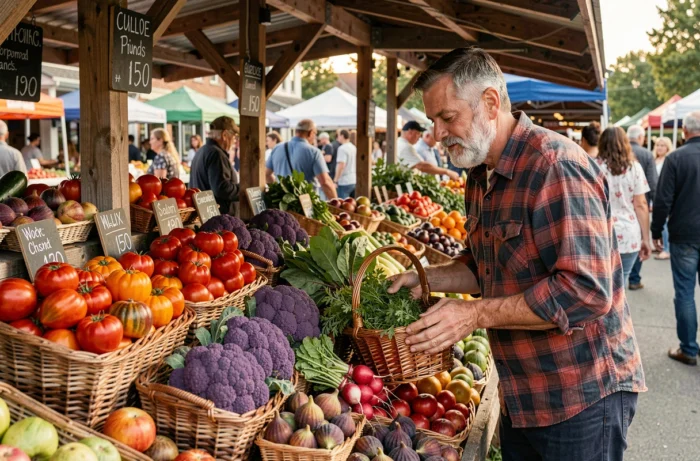
Seasonal cooking is not a new concept. What is changing is the way it is expressed on plates. Root vegetables in autumn, heirloom tomatoes in summer, squashes starting in September: the calendar increasingly dictates menus.
Why this return to seasonal ingredients? Two concrete reasons. Taste, first: a vegetable picked at maturity is nothing like its out-of-season imported counterpart. Budget, next: seasonal products are cheaper because they are abundant.
Homemade fermentation, an accessible technique
At the same time, fermentation is gaining ground in home kitchens. We are talking about quick pickles, homemade kimchi, and lacto-fermented vegetables. The technique is simple: salt, jar, patience. In just a few days, carrots or radishes develop tangy flavors that are impossible to achieve otherwise.
- Chinese cabbage kimchi requires about a week of fermentation at room temperature and keeps for several months in the refrigerator
- Quick vinegar pickles are ready in less than 24 hours and pair well with both salads and grilled meat dishes
- Lacto-fermented vegetables (carrots, beets, cucumbers) only need water, salt, and an airtight jar
These techniques bring complex flavors without resorting to expensive ingredients. They transform a simple vegetable dish into a memorable meal.
Hybrid recipes: when world cuisines meet on your plate
The croffle, a cross between a croissant and a waffle, perfectly illustrates the trend of hybrid recipes. Topped with fig jam, goat cheese, and ham, it becomes a complete dish. This type of preparation reflects a desire to mix culinary repertoires without hesitation.
Combining two culinary traditions in one dish does not require chef-level skills. It’s more about daring to make associations: Indian spices on a gratin dauphinois, miso sauce in a French vinaigrette, or pizza dough topped like a Vietnamese banh mi.
Three combinations that always work
- White miso and butter: mixed in equal parts, they create a sauce base that enhances white fish or fresh pasta
- Harissa and honey: as a marinade on chicken or as a glaze on roasted vegetables (or in the air fryer), the spicy-sweet contrast creates an addictive dish
- Coconut milk and dashi broth: this Franco-Japanese combination yields a soup with deep flavors, perfect for weeknight dinners
These mixes may seem bold on paper. In practice, the flavors complement each other because they share common aromatic molecules. Miso and parmesan, for example, are both rich in glutamate, which explains why they work well together.
Lightened desserts and lactose-free alternatives in home cooking
The avocado-chocolate fondant without butter or lactose perfectly summarizes an underlying movement. Homemade desserts are evolving towards versions where indulgence remains intact, but where some classic ingredients are replaced with plant-based alternatives.
Here, avocado plays the role of butter: it adds fat, moisture, and a creamy texture. The difference in taste? Almost nonexistent for an untrained palate. A well-executed lactose-free dessert is not a compromise, it’s a choice of flavors.
Other substitutions are gaining popularity. Applesauce replaces some sugar and fat in cakes. Silken tofu, blended, creates chocolate mousses with surprising lightness. These techniques require no specific equipment, just a bit of curiosity.
The culinary trends of this season share a common thread: making everyday cooking more inventive without complicating it. Whether through a device that changes cooking habits, fermented vegetables that enhance a weekly menu, or ingredient combinations borrowed from multiple continents, every meal can become an opportunity to explore a new recipe idea, right from one’s own kitchen.