Hiking, diving, cycling, cultural encounters: the list of activities on offer to travelers grows every year. But they don’t all deliver the same sense of adventure, and choosing between them depends on factors that are rarely compared side by side. The physical fitness required, local regulations, and impact on the area you visit all shape the quality of an experience just as much as the destination itself. How can you compare them to choose an activity that will leave a lasting impression on your trip?
Adventure activities compared: effort, accessibility, and local connection
The Adventure Travel Trade Association’s (ATTA) 2025 Trends Report ranks hiking and walking among the most popular activities, but also counts culinary and cultural experiences as adventures. This finding reshapes the way we usually think about adventure.
| Type of activity | Physical fitness level | Local interaction | Regulatory restrictions |
|---|---|---|---|
| Hiking in a state-owned forest | Moderate to high | Low (self-guided) | Hunting seasons, protected areas |
| Guided food tour | Low | High (artisans, markets) | Few restrictions |
| Multi-day cycling trip | Moderate | Varies by route | Local traffic rules |
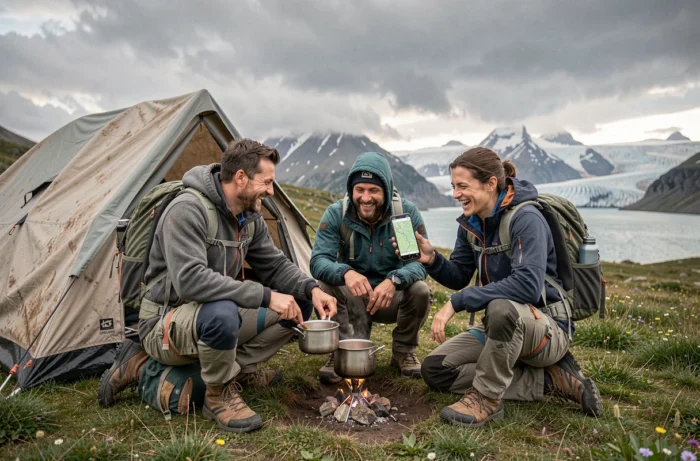
| Wild camping / remote camping | Moderate | Low | Prohibited on some shorelines and in protected areas in France |
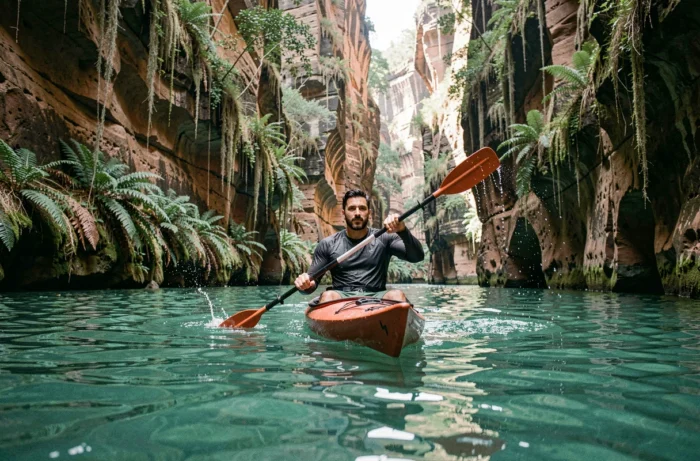
| Whitewater activity (canyoning, kayaking) | High | Moderate (local guides) | Guides required at some sites |
This table highlights a frequently overlooked distinction: physical intensity and the intensity of the experience don’t necessarily go hand in hand. A day spent with a local guide at a mountain market can leave a stronger impression than a standard whitewater rafting trip.
To explore a full range of options, Voyages et Découvertes activities let you compare destinations and types of experiences before making a decision.
Local regulations and timing: two practical filters for choosing your adventure
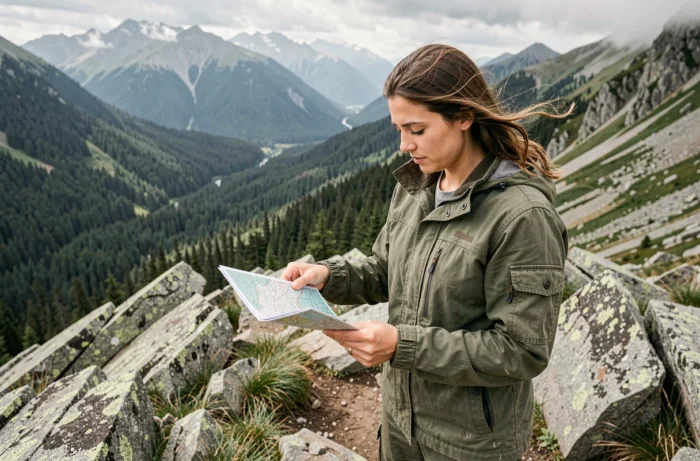
Choosing an outdoor activity isn’t just about what you feel like doing in the moment. In France, camping in remote areas is prohibited in certain locations, including along the coast and in designated or protected areas. Municipalities may also restrict camping outside designated sites by local ordinance. Setting off with a tent without checking the rules could result in a fine and spoil your trip.
The French National Forestry Office (ONF) also recommends checking the dates of organized hunts before heading out into a state-owned forest. Entering an area marked as a hunting zone is not only risky; it is also prohibited during organized hunts. This scheduling factor can directly affect your choice of location or hiking dates.
What to check before you leave
- Check local signs and municipal ordinances on bivouacking or wild camping, especially near protected areas or shorelines
- Check the organized hunting schedule on the ONF website or with the local town hall before hiking in a state-owned forest between September and March
- Find out whether a guide is required for whitewater activities (canyoning, kayaking on high-grade rapids), as requirements vary by department
- Take the day’s weather conditions into account: some activities (via ferrata, mountain outings) may be closed by prefectural order when the risk is high
These checks take just a few minutes. They’re what set a spontaneous trip apart from a well-planned one, and the difference is measured in peace of mind as much as in safety.
Personalized adventure: choose local connections over generic thrills
ATTA’s 2025 report notes growing interest in “like a local” travel and experiences rooted in local skills and traditions. This shift is changing the very definition of adventure. A pottery workshop with an artisan in a remote Moroccan village or a day of traditional fishing in Norway fits this category just as much as a high-altitude trek.
What makes an activity memorable often comes down to the quality of the human interaction. An itinerary led by a guide born in the valley you’re exploring offers a narrative context that the activity alone can’t provide. The scenery looks much the same to everyone; it’s the stories that accompany it that create lasting memories.
Impact on the area: an increasingly well-documented factor in choosing an activity
ATTA’s 2025 climate action study reports that some adventure travel organizations are adapting their itineraries to reduce their reliance on fossil fuels and adopting more sustainable purchasing practices. For travelers, this means making a simple choice: favor activities that don’t require a long motorized transfer and choose providers who are transparent about their practices.
In practical terms, a hike accessible from a local train station has a very different carbon footprint from a domestic flight followed by a 4×4 transfer to a remote trailhead. You don’t need complex data to make this calculation: the distance traveled in a gas-powered vehicle before the activity even begins is already a reliable indicator.
Choose an activity that matches your actual fitness level, not your ideal self-image
Most travelers overestimate their fitness when planning an adventure activity. The gap between the dream and reality can lead to exhaustion, frustration, and sometimes injury. A multi-day high-altitude trek requires specific physical preparation; an advanced canyoning trip calls for confidence in the water that a few laps at the local pool won’t necessarily provide.
The table above can help you check the “physical fitness level” column before getting carried away by the “dream destination” column. A successful adventure is one that matches your actual abilities, not your Instagram ambitions.
- Assess your fitness based on activities you do regularly, not on a memory of a past vacation
- For your first attempt at a new activity, choose a level below what you think you can manage
- Choose providers who offer a pre-activity briefing and adapt the route to the group
The most memorable adventure is one that leaves you wanting to do it again, not one you have to abandon halfway through. The deciding factor is neither the destination nor the price, but how well the activity suits the local rules and your ability to enjoy it to the fullest.